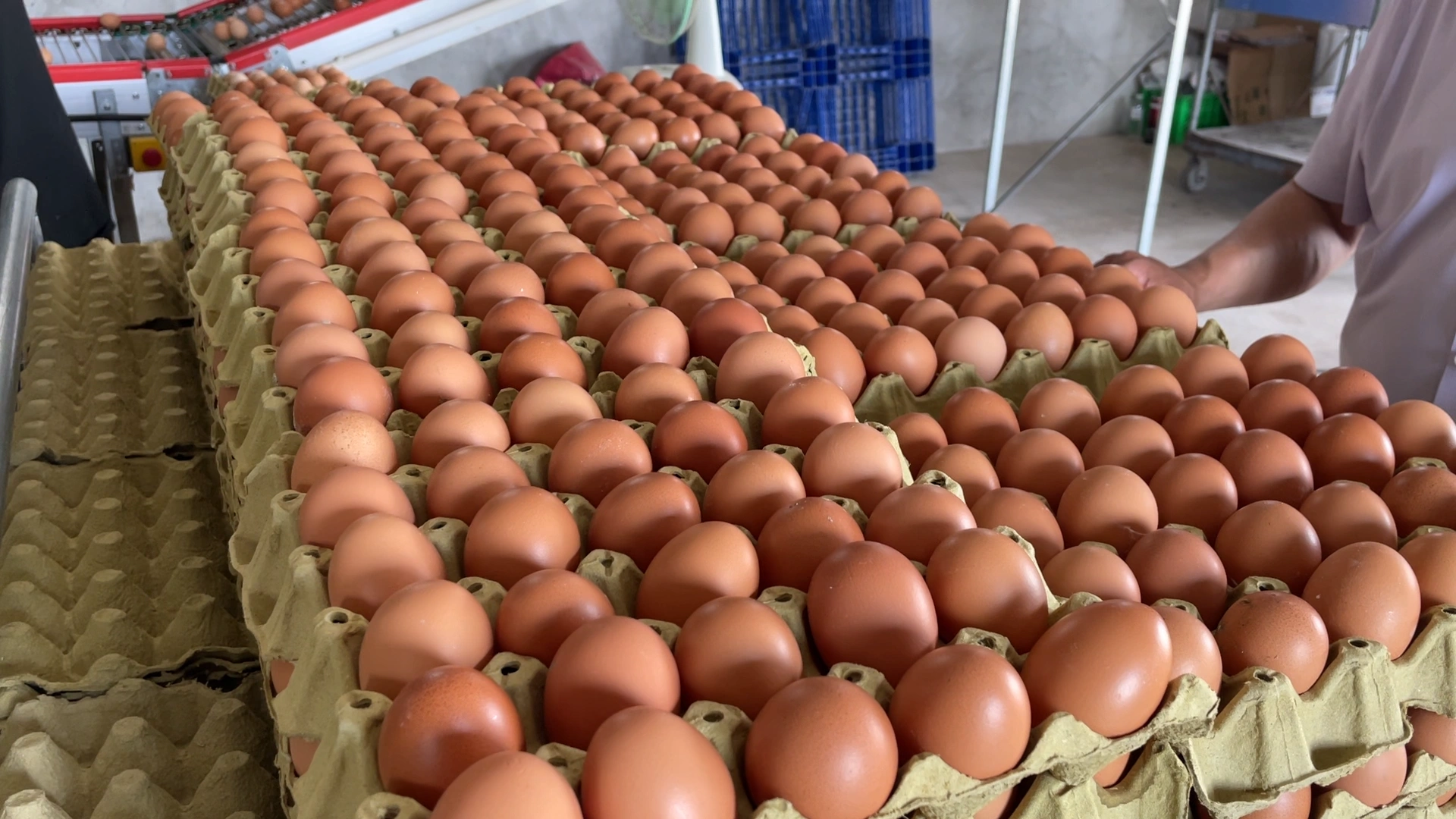

Eggshell quality is a top concern for poultry producers worldwide. Translucent eggs, or “windows eggs,” create a growing challenge for commercial layer farms. Market surveys show that translucent eggs appear in 30% to 60% of commercial flocks. This rate spikes during hot summers.
For brand-name layers, watermark and waterline defects affect about 10% of eggs. This causes up to billions of dollars in direct economic losses each year. Farmers lose money due to downgraded eggs, poor hatchability, and weak shells.

What Are Translucent Eggs?
Researchers call them “translucent eggs.” They have dark, water-soaked micro-streaks on the shell. When you hold them to a light, these patches look like tiny glass windows.
The defect often looks subtle right after the hen lays the egg. However, the streaks expand and become more visible over time, especially in high heat. Translucent eggshells hold more water than normal eggs. They also have an unusually thin shell membrane.
The Biological Source: The problem starts in the oviduct isthmus. This organ creates the shell membrane. Normally, the inner and outer membranes hold water perfectly. When the isthmus fails, the membranes lose their ability to hold water. Moisture leaks into the shell, creating the translucent “windows.”
7 Primary Causes of Translucent Eggs
1. Breed Differences
White eggshells are weaker than Pinked shells, and Pinked shells are weaker than brown shells. Because white shells lack dark pigments, they show translucent defects much more easily.
2. Feed and Nutrition
Proteins build the eggshell membrane. If the feed lacks balanced nutrients, the hen cannot form strong proteins. A poor calcium-to-phosphorus ratio also ruins shell quality.
3. Intestinal Diseases
The gut absorbs most nutrients. Diseases like enteritis block this process. When gut diseases strike, the hen cannot use nutrients properly, leading to translucent eggs in laying hens.
4. Heat Stress
Translucent eggs in laying hens spike in the summer. Farmers must control the house temperature to reduce stress. At night, lower the target temperature to help hens recover from daytime heat.
Summer Hydration Checklist:
- Maintain a water-to-feed ratio of at least 2.4:1 during heat waves.
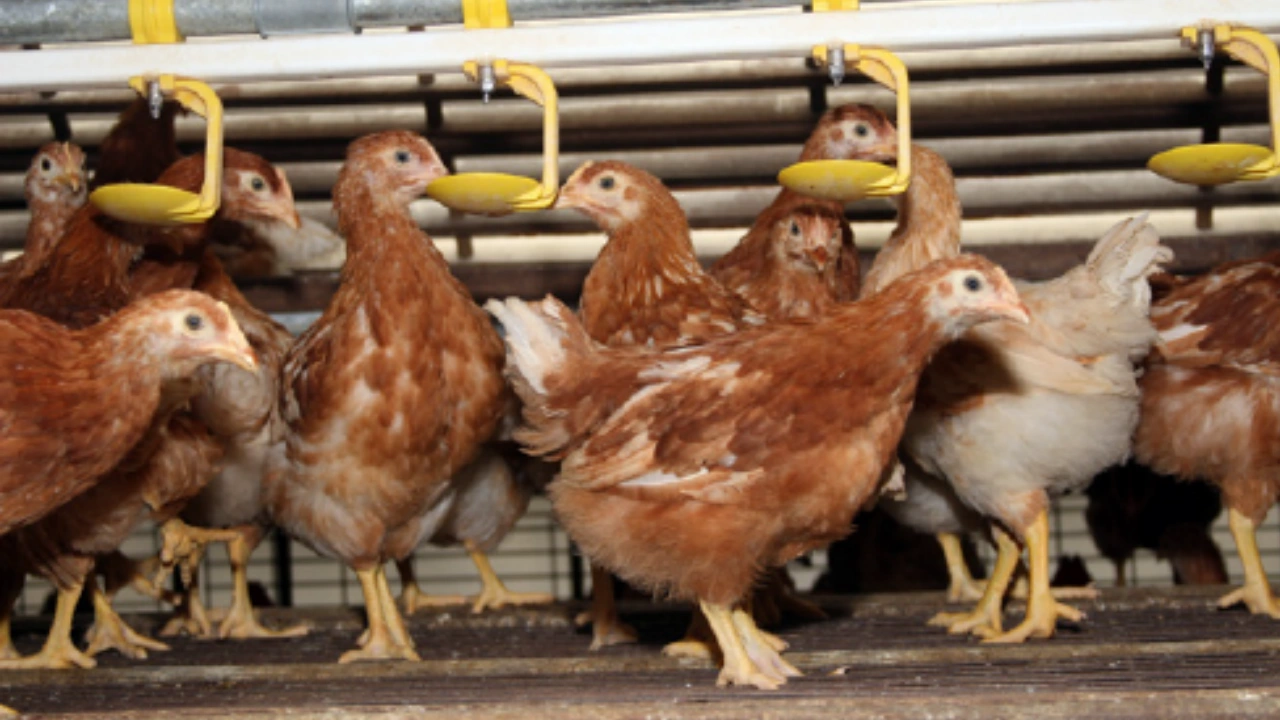
- Ensure each nipple drinker delivers 60 to 90 ml of water per minute.
- Regularly flush hot water out of the lines and replace it with cool water.
5. Reproductive System Issues
The oviduct forms the eggshell. Any damage or inflammation here directly ruins eggshell quality. Laying hens use one cloaca for all functions, which increases infection risks. Farmers must prioritize oviduct health.
6. Liver Dysfunction
The liver processes all nutrients. If the liver fails, it disrupts metabolic functions and ruins eggshell quality.
7. Flock Age
Shell quality usually drops after 350 days of age. Young hens lay smaller eggs with the best shell quality. As hens age, their eggs get heavier. However, the hen only produces a set amount of shell material. This makes the shells thinner.
| Disease / Aggravator | Onset Time | How It Damages Egg Quality |
| 1. Mycoplasma synoviae (MS) | After 240 days | Recently, oviduct-targeting MS strains have increased. MS destroys the shell gland’s ability to process calcium and phosphorus. |
| 2. Stubborn Adenomyofastritis | Starts ~180 days, surges after 350 days | This disease lowers digestion rates. Hens stop eating coarse corn and limestone. Instead, they eat mostly fine powder, causing severe malnutrition. |
| 3. Early Diseases | Between 12 weeks and 140 days | Respiratory viruses and colds stunt oviduct development. Later, these flocks have an 80%+ chance of laying translucent eggs. |
| 4. Mycotoxin Infections | Continuous risk | Mycotoxins destroy liver cells. This blocks the liver from processing Vitamin D, preventing calcium absorption. |
| 5. Feed Separation | Continuous risk | Long-term feed separation causes extreme nutrient imbalance. Some hens eat only large particles; others eat only fine powders. |
5 Field Aggravators That Make It Worse
In real-world farming, several conditions can trigger a sudden outbreak of translucent eggs. Watch out for these five common aggravators:
Advanced Nutritional Solutions: The Egdoo Approach
Traditional nutrition offers inconsistent results. Adding extra calcium, Vitamin D3, or balancing amino acids may temporarily reduce translucent eggs. However, field research shows that these standard methods fail over the long term. If farmers rely only on basic additives, translucent egg rates eventually spike again.
The Fermented Organic Mineral Breakthrough
To permanently solve this issue, Egdoo developed a breakthrough bio-organic mineral compound. This formula relies strictly on fermented organic minerals rather than outdated inorganic or chelated options. By fermenting the minerals with specialized microbes, we maximize their safety and bioavailability.
We combine these fermented organic minerals with plant extracts and compound vitamins. This creates a powerful synergy that drastically drops the translucent egg rate and extends the egg’s shelf life.
Transforming the Eggshell Microstructure
This bio-organic formula physically repairs the eggshell’s microstructure. Without the additive, eggs show a thin shell membrane, weak mammillary connections, wide gaps, and a porous palisade layer. Conversely, eggs produced with Egdoo’s fermented organic minerals exhibit:
- A significantly thicker shell membrane.
- Tight, secure bonds between the membrane and the mammillary layer.
- Neatly arranged mammillary cores without gaps.
- A highly dense, solid palisade layer.
Field data confirms that the translucent egg rate drops consistently after using the additive. The treatment achieves its maximum preventative effect by the 15th day of continuous use.
The Egdoo P5 Series Premix
Egdoo integrates this proven technology into the P5 Series Layer Premix. We specifically engineered this premix to meet the physiological and nutritional demands of tinted (pink) shell layers. The P5 series utilizes six core technologies to help producers raise healthier hens and harvest premium eggs:
- Amino Acid Balance Technology: Optimizes protein synthesis for shell membranes.
- Sudeli: Enhances overall flock performance and vitality.
- Highly Enriched Fermented Organic Minerals: Replaces traditional forms to build stronger, denser shells.
- Lizhisu (Fermented Herbal Extract): Boosts natural immunity and gut health.
- High-Efficiency Phosphorus (MCP): We specifically utilize MCP to maximize the hen’s nutritional absorption, driving essential minerals directly into the egg production cycle.
- Fuli Vitamins: A comprehensive multivitamin matrix that supports systemic metabolism.