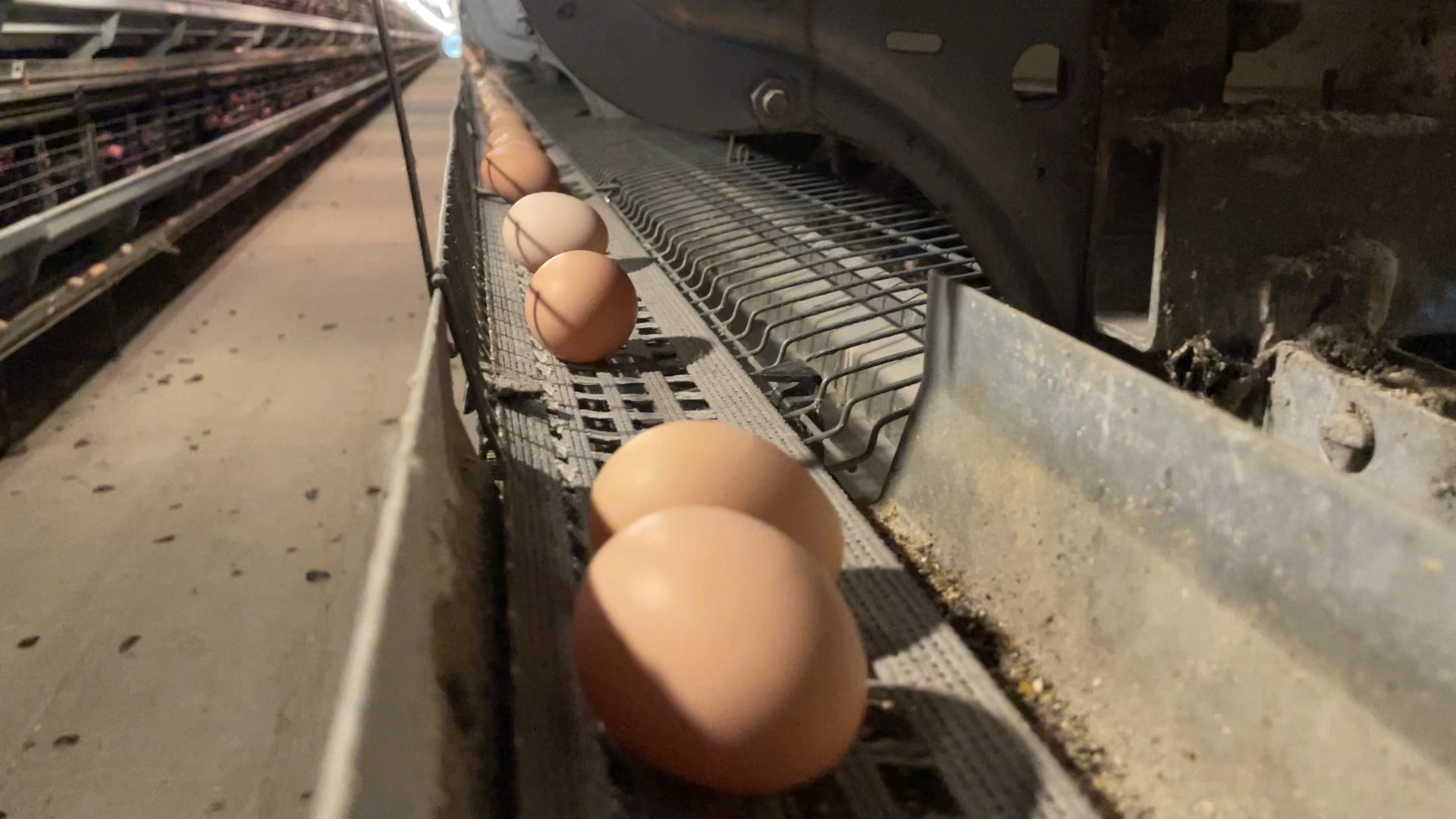

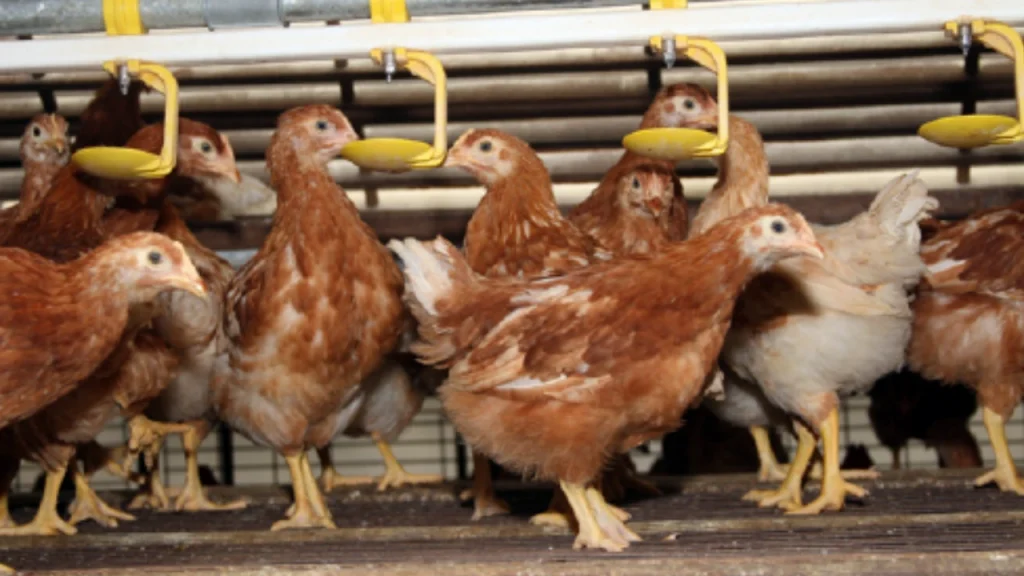
The poultry industry is learning more about nutrition and physiological structure. Now, we know that evaluating pullet development solely by body weight fails. Overweight hens may have heavy bodies. However, if their tibia length falls short, they face high mortality. They also experience low production rates later in life. Therefore, farmers give unprecedented attention to hitting tibia metrics using the correct grower premix.
During rearing, many farmers face a tough challenge. What should you do when tibia length misses the standard? To understand why we prioritize the tibia, we must explore its critical role. We must also learn its developmental laws.
The Three Critical Functions of the Tibia
(1) The Hen’s Calcium Reservoir A hen needs about 2.2 grams of calcium for every eggshell. Feed ingredients directly provide 60% to 80% of this calcium. The hen synthesizes the remaining 20% to 40% from the tibia. She stores it as blood calcium in the tibia’s bone marrow. This reserve provides essential support for hard eggshells during peak production.
(2) Preventing Osteoporosis The tibia must reach an adequate length early on. Otherwise, its calcium storage capacity remains severely limited. High production rates force the hen to mobilize more blood calcium. If medullary bone calcium runs low, the hen overdraws from the cortical bone. Ultimately, this calcium deficit causes osteoporosis, paralysis, and weak eggshells.
(3) Dictating Egg Quantity Tibia development directly correlates with the overall skeletal frame. A well-developed skeleton creates a larger abdominal cavity. This larger space allows for heavier ovaries, a larger liver, and a thicker oviduct. A renowned Dutch poultry expert found a direct link. For every 1 millimeter the tibia exceeds the standard, a hen produces 3 additional eggs. Conversely, a 3-millimeter deficit costs about 0.5 kg of egg mass per hen. For a 100,000-bird farm, this profit loss equals the price of a luxury car!
The Developmental Laws of the Tibia
To improve tibia development, your grower premix must align with a strict biological timeline.
1. Strict Time Limits Missed growth windows never return. Take Hy-Line Brown layers as an example. The standard tibia length is 34 mm at week 1. It hits 99 mm at week 12. Finally, it reaches 105 mm at week 18. During the first 12 weeks, the tibia grows 65 mm. That averages nearly 1 mm per day. However, from week 12 to 18, it only grows 6 mm total. If you adjust the feed formula after 12 weeks, the window for rapid bone growth has already closed.
2. Strong Continuity You must hit weekly targets. Experiments prove this fact. If a flock misses the tibia standard at 60 days, you will struggle to fix it later. Therefore, you must start nutritional interventions as early as possible.
3. Two Core Metrics Tibia development involves length and thickness. Length reflects cortical bone development. Thickness shows medullary bone development. The tibia primarily lengthens before 12 weeks of age. Meanwhile, medullary bone deposition mainly happens before 180 days.
The Hidden Costs of Missing the Window
If you miss this crucial window, you face incalculable losses. During peak production, late-stage eggshell quality deteriorates. You will see high breakage rates, even if you feed extra calcium. You may also see late-stage paralysis or fractures. People often misdiagnose these as mycotoxin poisoning.
Imagine sub-standard tibia development causes a 1% increase in egg breakage after 400 days. Your revenue drops by approximately 0.7 RMB per bird. If mortality increases by 1% due to prolapse, you lose another 0.5 RMB. You must address this urgent priority. Formulate your grower premix correctly early on. This strategy unlocks the full genetic and economic potential of your flock.