
We have recently upgraded our packaging technology to provide ultimate protection for high-humidity and high-temperature regions. The outer layer features a strengthened woven bag covered with an upgraded 1.8C matte film and an imitation paper film for superior water resistance. More importantly, we use a thickened 23g carbon black inner PE film. This carbon black inner layer provides 100% light-blocking properties, which is critical for preventing the degradation of light-sensitive vitamins, while creating an airtight moisture barrier during the 30-45 days of sea transit.

FAQ
FAQ
Leave a Message
Common After-Sales Questions and Answers for Laying Hen Premix
How do you ensure the vitamins in the premix stay active and moisture-free during long ocean freight?
Causes and Prevention of Leg Paralysis in Laying Hens
Understanding the Causes of Leg Paralysis in Laying Hens
For commercial poultry farm managers, discovering birds unable to stand in their cages is a major operational concern. The sudden onset of leg paralysis in laying hens not only compromises animal welfare but also leads to immediate economic losses through mortality and dropped egg production. To effectively protect your flock, you must address three primary categories of risk.
1. Nutritional Deficiencies and Imbalances
During the peak production period, a hen’s skeletal system is under immense strain. The most common nutritional trigger is an improper calcium-to-phosphorus ratio or a severe deficiency in Calcium and Vitamin D. Furthermore, if a hen produces overly large eggs or experiences a prolonged laying process, her bone calcium reserves deplete rapidly. Trace mineral deficiencies, particularly a lack of manganese or selenium, also contribute to bone weakness. Finally, toxic elements in the diet—such as excessive fluorine levels or moldy feed contaminated with mycotoxins—can severely damage the nervous and skeletal systems.
2. Suboptimal Management Practices
The physical environment is equally critical. Overcrowding cages creates a high stocking density that restricts movement and weakens bones. Additionally, poorly designed cage structures can cause direct physical trauma to the legs. Management timing matters too; transferring young pullets to laying cages too early puts undue stress on their developing bodies, significantly increasing the risk of leg paralysis in laying hens as they transition into peak production.
3. Infectious Diseases and Pathogens
Several severe poultry illnesses specifically target the nervous system or joints, presenting lameness as a clinical sign. Pathogens responsible for Marek’s disease, Mycoplasma synoviae, viral arthritis, and arthritic E. coli are notorious culprits. Additionally, metabolic conditions like “pullet disease” (often linked to cage layer fatigue) can immobilize birds. Implementing strict biosecurity and robust vaccination protocols is the only way to prevent contagious leg paralysis in laying hens from sweeping through your facility.
By addressing these nutritional gaps, optimizing cage management, and preventing disease, farm managers can maintain a healthy, mobile, and highly productive flock.
Why Do Hens Have a Short Peak Laying Period?
In layer poultry farming, a sudden drop in the egg production rate right after reaching the top is a major profit killer. To maximize egg production, farm managers must quickly address the root causes of a short peak laying period:
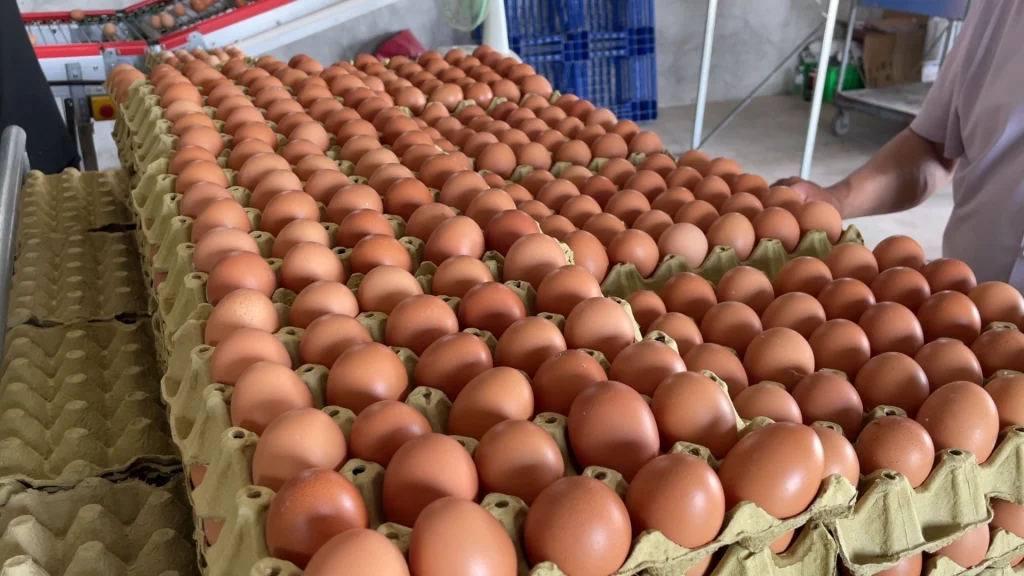
1. Nutritional Factors
- Low Nutrient Density: Feeding diets with insufficient metabolic energy and crude protein. High-producing hens quickly deplete their body reserves if the daily feed lacks essential nutrients.
2. Management Factors
- Improper Lighting: Inconsistent or poorly timed lighting programs disrupt the hens’ reproductive hormones.
- Poor Rearing Nutrition: If pullets are malnourished, they enter the laying phase underweight and with poor skeletal (shank) development. They simply lack the physical reserves for sustained production.
- Immunization Failures: Poor vaccination schedules lead to low antibody levels, leaving the flock vulnerable to stress.
3. Disease Factors
Health Threats: The outbreak of respiratory diseases, viral infections, or immunosuppressive conditions forces the hen’s body to divert energy from egg production to mere survival.
Causes and Solutions for a Pale Comb in Laying Hens
Understanding the Causes of a Floppy and Pale Comb in laying hens
A vibrant, bright red comb is a classic sign of a healthy and highly productive chicken. However, layer farm managers often encounter a concerning issue: a floppy or pale comb in laying hens. The comb acts as a vital, visible barometer for the bird’s internal health, circulatory system, and overall vitality. When it loses its natural color or structural integrity (often referred to as a “floppy comb”), it immediately signals that the hen is experiencing underlying physical stress. If ignored, this will severely impact your daily egg production rates.
1. Nutritional Deficiencies: The most common culprits behind this condition are nutritional. A pale comb in laying hens frequently indicates an insufficient overall daily nutrient intake. More specifically, an acute lack of essential vitamins or crucial trace minerals—particularly iron—will lead to anemia in the flock. Since the vibrant red color of the comb comes directly from robust blood circulation, a drop in healthy red blood cells inevitably results in a faded, whitish appearance.
2. Flawed Management Practices: Environmental and daily management factors also play a massive role in flock health. Laying hens are incredibly sensitive to their surroundings. Severe water shortages or prolonged dehydration will quickly cause the comb to shrivel and lose its color. Furthermore, poor air quality and inadequate ventilation in the poultry house lead to oxygen deprivation, which suppresses the circulatory system.
3. Underlying Disease Factors: Finally, infectious diseases must be urgently ruled out by farm staff. Several severe poultry illnesses present a pale comb in laying hens as a primary clinical symptom. These include dangerous fungal infections (mycosis), Inclusion Body Hepatitis (IBH), Fowl Typhoid, and Infectious Bronchitis. Most notably, Leucocytozoonosis (often called “white comb disease”) is notorious for aggressively stripping the color from the hen’s comb.
Consistent monitoring, optimal ventilation, and high-quality, iron-rich nutrition are your best defenses to keep your flock thriving and their combs bright.nosuppressive conditions forces the hen’s body to divert energy from egg production to mere survival.
Reasons for Laying Hens Pecking Anus, Pecking Eggs, and Pecking Feathers?
Mainly refers to pale eggshell color, dull and non-vibrant eggshell color, lack of luster, many soft-shelled eggs, thin eggshells, easily broken, sandy-shelled eggs. Thick but brittle eggshells, fragile quality, many damaged eggs.
Nutritional Factors
- Insufficient calcium intake.
- Insufficient vitamin D3 intake.
- Unreasonable nutritional ratio, high protein, large eggs.
- Low antibody levels (insufficient or high dispersion in Newcastle disease or influenza antibodies).
- Influence of mycotoxins.
Management Factors
- Long intervals between egg collection.
- Improper medication.
- Flock startled.
- In large-scale farms, egg collection equipment failure, excessive gap at the junction of egg collection belt and egg belt recovery.
Disease Factors
Certain diseases affect eggshell quality, such as viral diseases like Newcastle disease and infectious bronchitis, egg drop syndrome, salmonellosis, E. coli disease, etc., making eggshells pale, uneven thickness, lighter color.
Reasons for Poor Eggshell Quality and High Broken Egg Rate?
Mainly refers to pale eggshell color, dull and non-vibrant eggshell color, lack of luster, many soft-shelled eggs, thin eggshells, easily broken, sandy-shelled eggs. Thick but brittle eggshells, fragile quality, many damaged eggs.
Nutritional Factors
- Insufficient calcium intake.
- Insufficient vitamin D3 intake.
- Unreasonable nutritional ratio, high protein, large eggs.
- Low antibody levels (insufficient or high dispersion in Newcastle disease or influenza antibodies).
- Influence of mycotoxins.
Management Factors
- Long intervals between egg collection.
- Improper medication.
- Flock startled.
- In large-scale farms, egg collection equipment failure, excessive gap at the junction of egg collection belt and egg belt recovery.
Disease Factors
Certain diseases affect eggshell quality, such as viral diseases like Newcastle disease and infectious bronchitis, egg drop syndrome, salmonellosis, E. coli disease, etc., making eggshells pale, uneven thickness, lighter color.

Contact Us
Our Specialist Team Awaits Your Inquiry