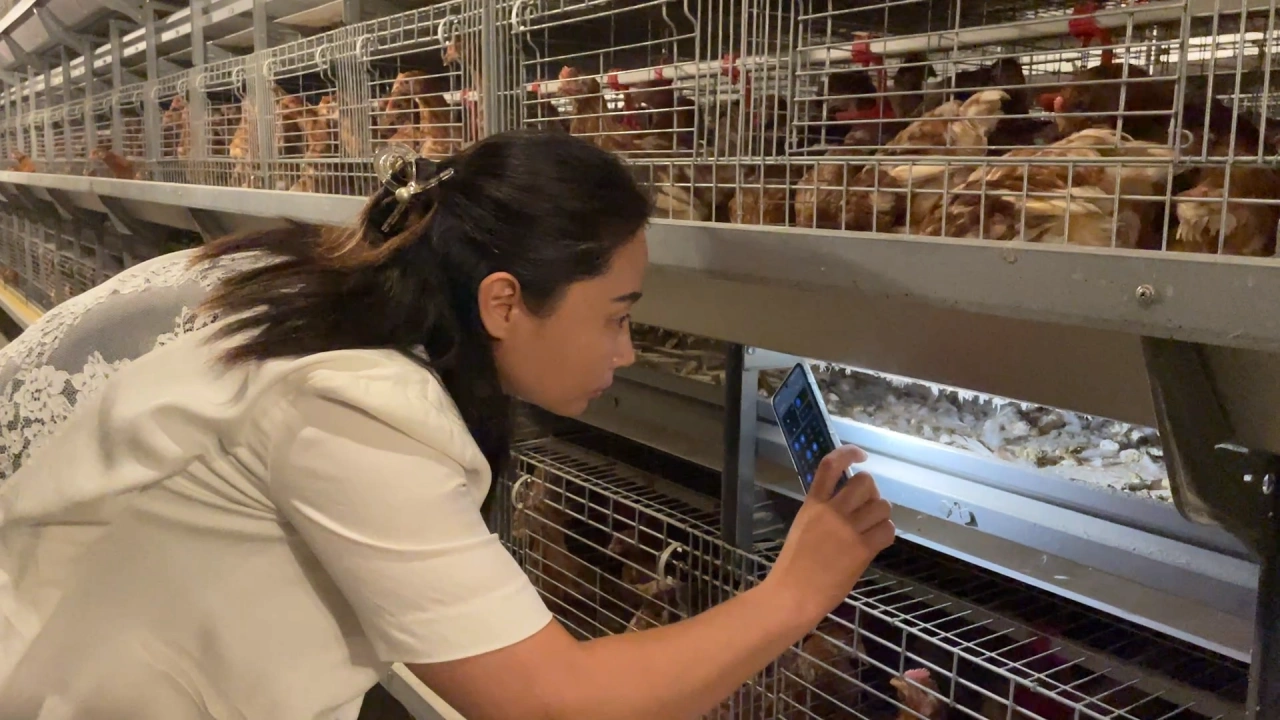

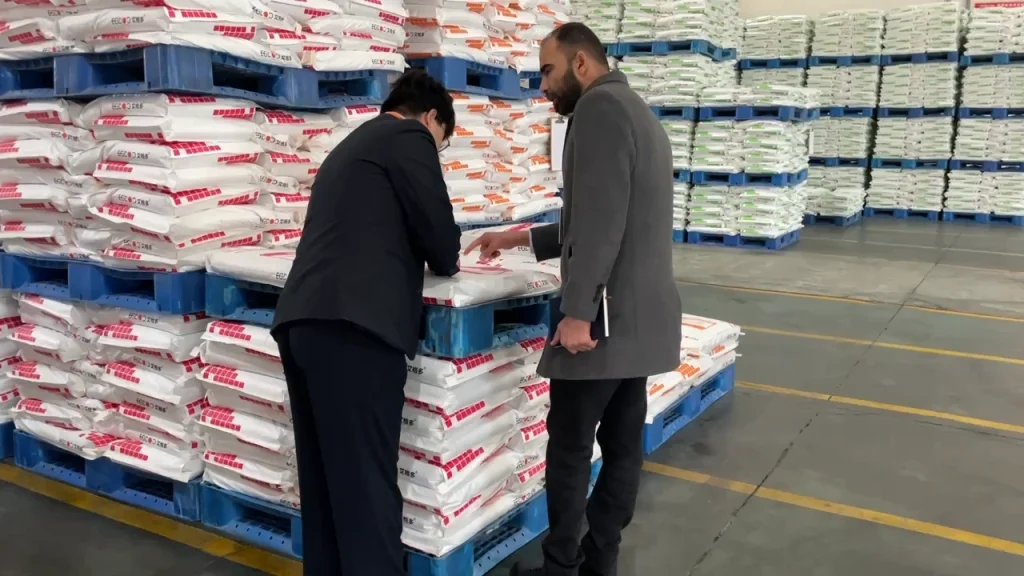
In the commercial poultry industry, you must select the right premix for poultry feed. This choice maximizes production efficiency. It also maintains flock health. Egdoo wants to help global poultry farmers and feed mills. Therefore, we outline common misconceptions in premix selection. We also share simple scientific guidelines for its application.
Part 1: Common Pitfalls in Premix Selection
1. Blindly Selecting Unverified Brands The market offers many premixes. However, quality varies greatly. A reliable product must include specific elements. First, it needs a detailed product label. This label must show the product name, target animal, and nutritional analysis. Second, it needs a product manual. Third, you must see a quality inspection certificate. Finally, look for a registered trademark. If a product lacks these items, it threatens your flock’s health.
2. Prioritizing Packaging Over Nutrition Product quality includes both nutritional value and looks. Some manufacturers spend heavily on appealing packaging. They also use artificial aromas to attract buyers. However, the actual nutritional value often remains low. Professional buyers should prioritize products backed by scientific feed trials. You should ignore superficial packaging.
3. Chasing Low Prices Cost-efficiency does not mean cheapness. High-quality premixes require premium raw materials. If you buy exceptionally cheap products, you will face nutritional deficiencies. Over time, substandard premix for poultry feed causes intestinal issues. It also slows growth rates and increases medication costs. Ultimately, this raises your total production cost. Therefore, always calculate true value using the guaranteed nutritional analysis.
4. Changing Recommended Formulas Experts calculate recommended formulas for professional layer premixes carefully. You must not alter these arbitrarily. For example, do not substitute soybean meal with rapeseed meal. Do not replace corn with wheat without adjusting the ratios. These changes disrupt the protein and energy balance. As a result, you compromise growth and lose money.
5. Mixing Feed Poorly Many farms still mix feed manually. However, manual mixing rarely achieves the required uniformity. An uneven feed mix severely hurts the premix’s efficacy. The mixed feed’s variation should not exceed 10%. We strongly recommend mechanical mixers. Furthermore, pre-dilute the premix with a carrier before the final mixing. This step ensures even nutrient distribution.
6. Using Improper Feeding Practices
- Inaccurate Dosage: Do not treat premix like a condiment. Randomly adding handfuls disrupts the nutritional balance. You must weigh the premix precisely.
- Cross-Species Feeding: Never use poultry feed for pigs. This practice is unscientific. Chickens need methionine, but pigs need lysine. Their trace element and vitamin needs also differ greatly.
- Overfeeding per Batch: Do not give too much feed at once. Chickens will pick out the large pellets and leave the powder. This causes imbalanced nutrient intake.
7. Grinding Feed Incorrectly The right feed particle size ensures consistent nutrient intake. It also prevents metabolic disorders. Overly coarse grinding reduces feed intake. It hampers digestion, too. We recommend specific particle sizes. Use under 1.0 mm for chicks. Use 1.0–2.0 mm for pullets. Finally, use 2.0–2.5 mm for laying hens.
Part 2: Essential Guidelines for Using Premix
1. Match the Growth Stage: Your specific premix must match the flock’s exact physiological stage. Accurately weigh the energy and protein feeds. Then, mix them thoroughly.
2. Transition Feed Gradually: Sudden dietary changes cause digestive stress. Therefore, phase new feed in gradually over a 7-day period.
3. Follow Technical Formulas: Do not rely merely on anecdotal experience. Instead, follow formulas provided by technical experts. These formulas meet the birds’ precise needs.
4. Protect Feed from Heat: Never feed unmixed premix directly to the birds. Also, never cook it with boiling water. High temperatures permanently destroy sensitive vitamins and enzymes.
5. Stick to One Brand: Do not mix products from different manufacturers. This action can cause chemical antagonisms. It might also cause toxic trace mineral overloads.
6. Store Feed Properly: Keep premix bags in a cool, dry, dark, and well-ventilated warehouse. Good storage prevents moisture buildup and nutritional loss.
To get optimized layer nutrition solutions, contact the Egdoo technical support team. We will help you secure the most scientifically advanced premix for poultry feed for your operations.