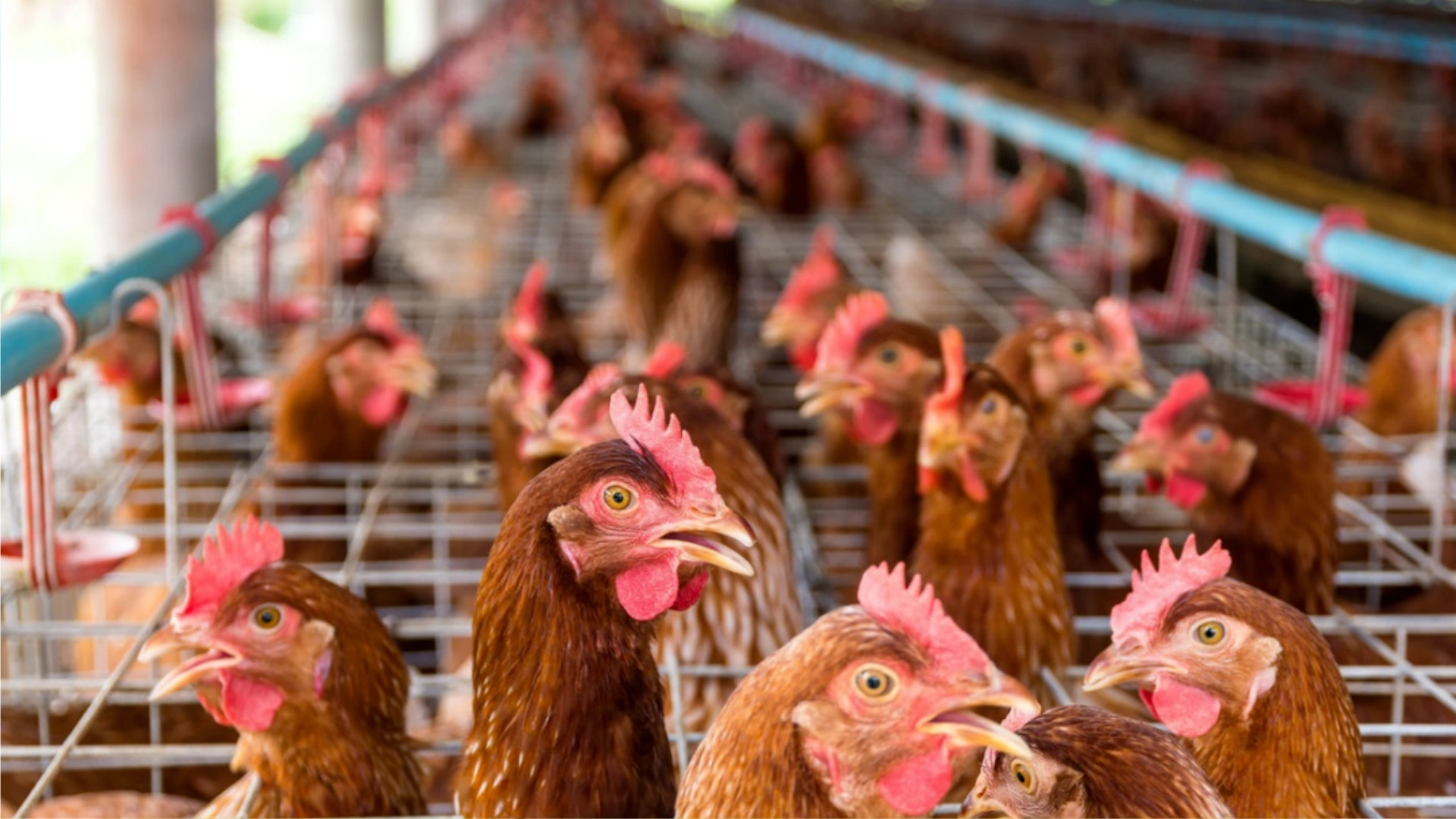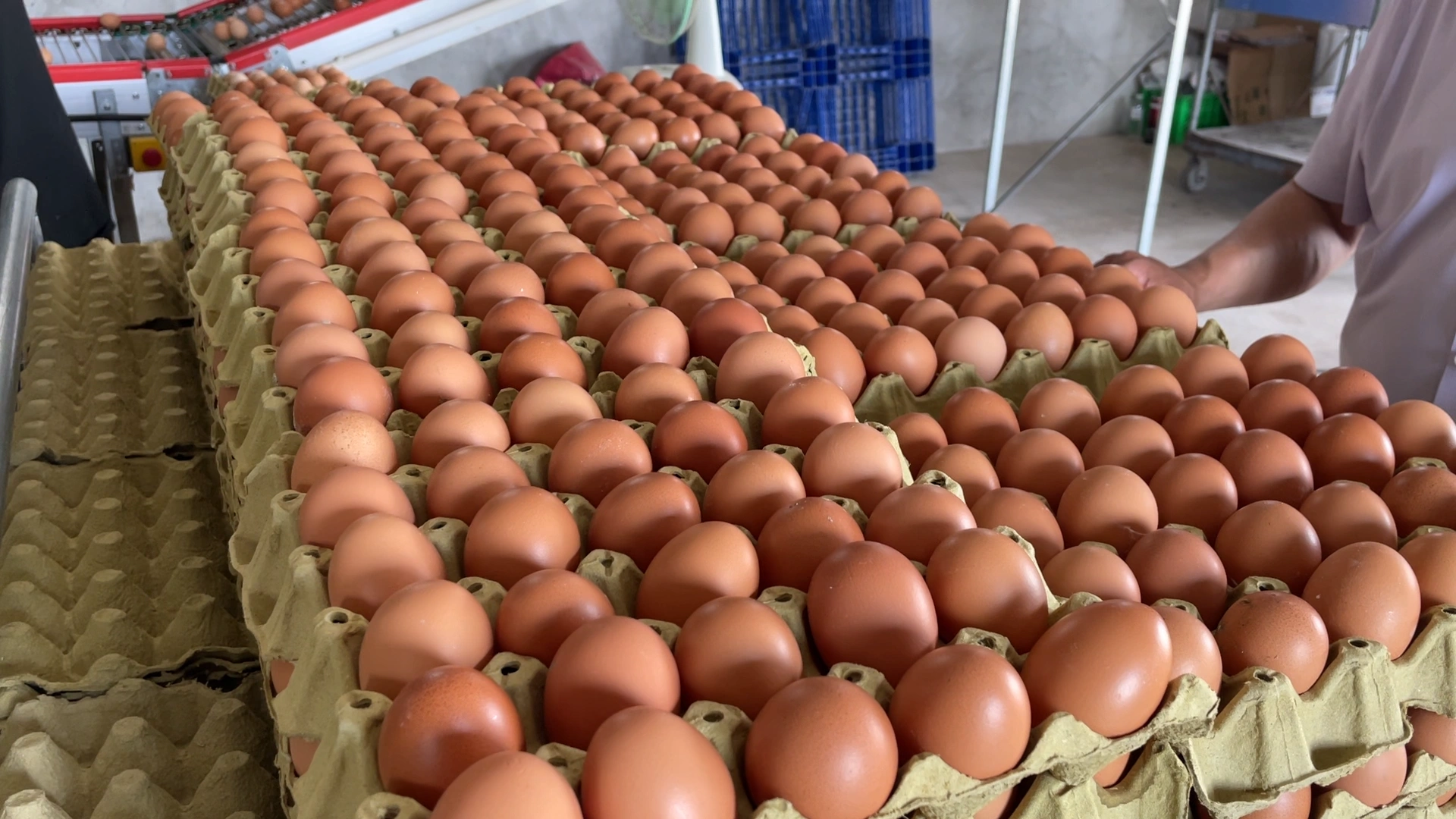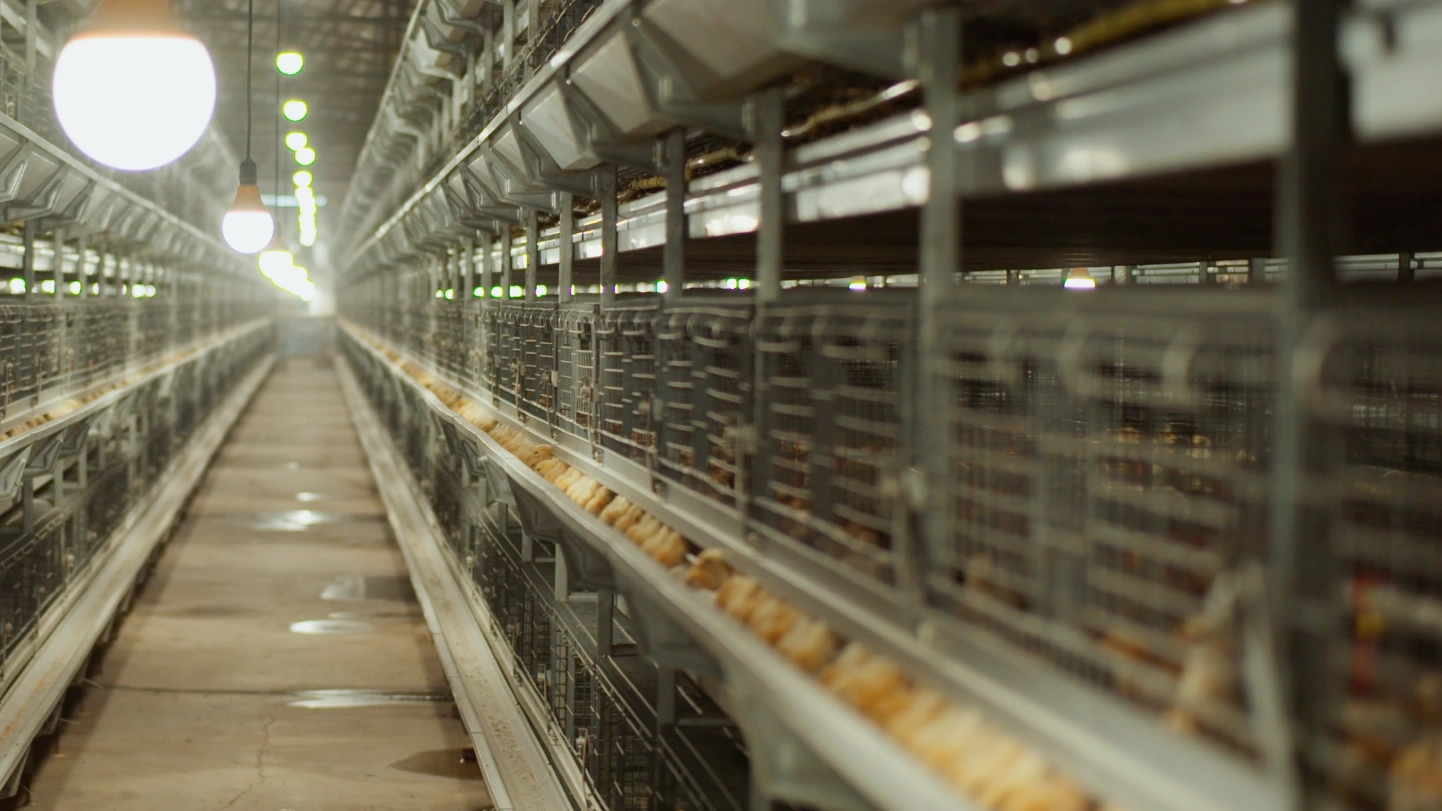

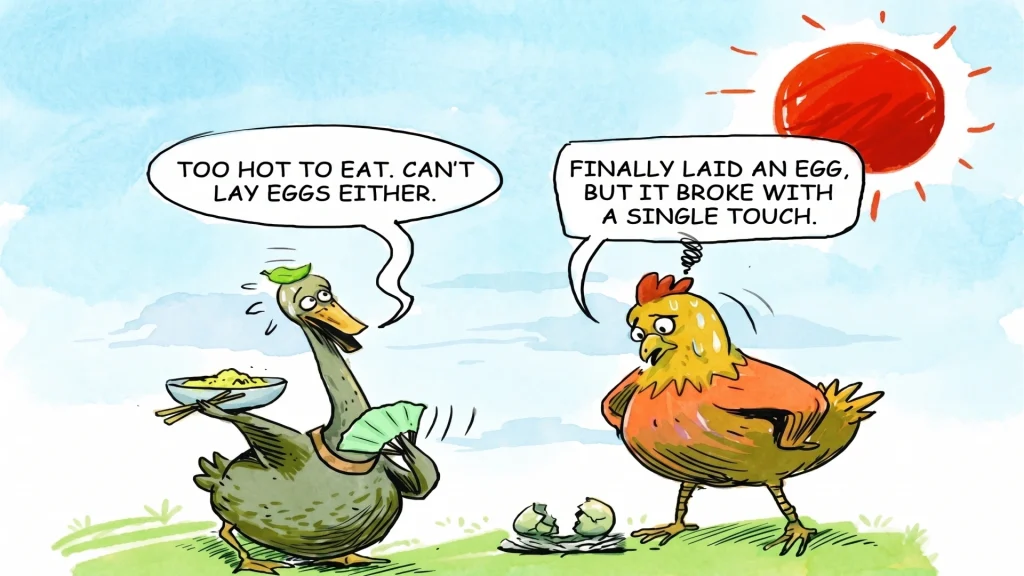
In tropical regions such as Southeast Asia, Latin America, and Africa, year-round high temperatures and humidity significantly impact the performance of laying hens. Heat stress (HS) leads to subtle yet damaging changes in egg output, laying rates, egg weight, eggshell quality, and the overall immunity of the flock. Strategic adjustments in feed nutrition are essential to maintaining productivity in these environments.
I. The Mechanism of Heat Stress
Heat stress is a common syndrome in poultry that occurs when environmental temperatures exceed 27°C.
The stressor stimulates the bird’s peripheral receptors, sending signals to the hypothalamus—the starting point of the stress response. This triggers the pituitary gland to increase the secretion of Adrenocorticotropic Hormone (ACTH), which then stimulates the adrenal glands to release adrenaline and hormones like glucocorticoids and aldosterone. These hormones regulate enzyme and protein production within target cells, forming a complex defense mechanism that often results in physiological damage.
While poultry can adapt to temperatures between 24°C and 30°C, physiological and biochemical reactions begin to fail above this range. In sustained heat, the ovulation count decreases, and the transit time of the egg in the oviduct is prolonged, leading to a direct drop in the laying rate.
For a Hy-Line Brown hen, as the house temperature rises from 18°C to 30°C:
- Daily feed intake decreases by 22 g
- Laying rate drops by 6.6%
- Egg weight decreases by 3.7 g
- Eggshell weight decreases by 0.5 g
II. Physiological Changes During Heat Stress
- Respiratory Alkalosis: Hens pant to lose heat, causing excessive CO2 loss. This reduces bicarbonate levels in the blood and raises the pH, leading to calcium loss and increased body heat.
- Immune System Suppression: Stress hormones (catecholamines and carotenoids) destroy the immune system, making the flock more susceptible to disease. It also promotes protein breakdown and glucose elevation, redirecting energy away from production.
- Loss of Cellular Nutrients: Increased water intake and urination lead to higher cell membrane permeability, causing the loss of potassium, magnesium, phosphorus, and proteins.
III. Nutritional Requirement Shifts in Tropical Climates
- Insufficient Intake: When intake drops, the hen prioritizes body maintenance over egg production, causing the laying rate to plummet.
- Heat Increment: Carbohydrates (like corn) generate more body heat during metabolism. Adding lipids (oils/fats) instead of carbohydrates can reduce “heat increment” and slow down gastrointestinal flow, improving feed utilization.
- Amino Acid Density: In HS states, dietary energy concentration must be raised, and the levels of digestible amino acids must be increased to stabilize egg weight and production.
- Vitamin Consumption: The demand for Vitamins C, E, K, B-complex, A, and Biotin increases significantly as they help mitigate stress and support growth.
IV. Strategic Formulation Adjustment Solutions for Heat Stress
To stabilize production and improve egg quality in tropical heat, we recommend the following adjustments:
- Add Sodium Bicarbonate (Baking Soda): Suggest 1.5 to 2 kg per ton of feed.
- It neutralizes stomach acid and stimulates appetite.
- It replenishes carbonates lost through panting, improving calcium metabolism.
- It enhances phosphorus mobility for better eggshell quality.
- Supplement Vitamin C: Add 200–300 g per ton (coated Vitamin C is highly recommended for stability). It inhibits body temperature rise and enhances intestinal calcium absorption.
- Supplement Vitamin E: Add 80 g per ton. It improves feed conversion, promotes oviduct health, and protects follicle development.
- Vitamin B-Complex: For younger flocks with low intake, B-vitamins are essential for stimulating appetite and ensuring proper development.
- Use Large Particle Limestone: Larger particles (2–5 mm) have a higher retention rate in the body. Research shows that 24 hours after intake, retention for 2–5 mm particles is 64% compared to only 52% for fine powder. This is critical for late-cycle hens and peak production flocks.
- Switch to Organic Trace Minerals: Organic minerals have higher absorption rates and lower toxicity than inorganic ones. Since HS reduces mineral intake, organic forms ensure the hen has enough Iron (for shell color), Zinc (for shell brightness), and Copper/Manganese (for shell strength).
Practical Formula Adjustment (Example: Hy-Line Brown)
Adjustments must be based on actual intake. If normal intake is 115 g/day and it drops to 100 g/day due to heat:
- Premix Proportion: Adjust from 5% to 5.65%
- Limestone (Stone Powder): Adjust from 8% to 9.04%
- Soybean Meal: Adjust from 23% to 26.0%
- Energy Adjustment: Replace 1–2% of Corn with 1–2% Soybean Oil to maintain energy density without increasing heat increment.
Conclusion
Managing poultry in tropical regions requires a five-step nutritional focus:
- Increasing nutrient concentration to compensate for low intake.
- Meeting the surge in vitamin demand.
- Optimizing mineral bioavailability for eggshell quality.
- Addressing respiratory alkalosis through mineral balance.
- Protecting intestinal health to avoid microbial imbalances caused by heat.