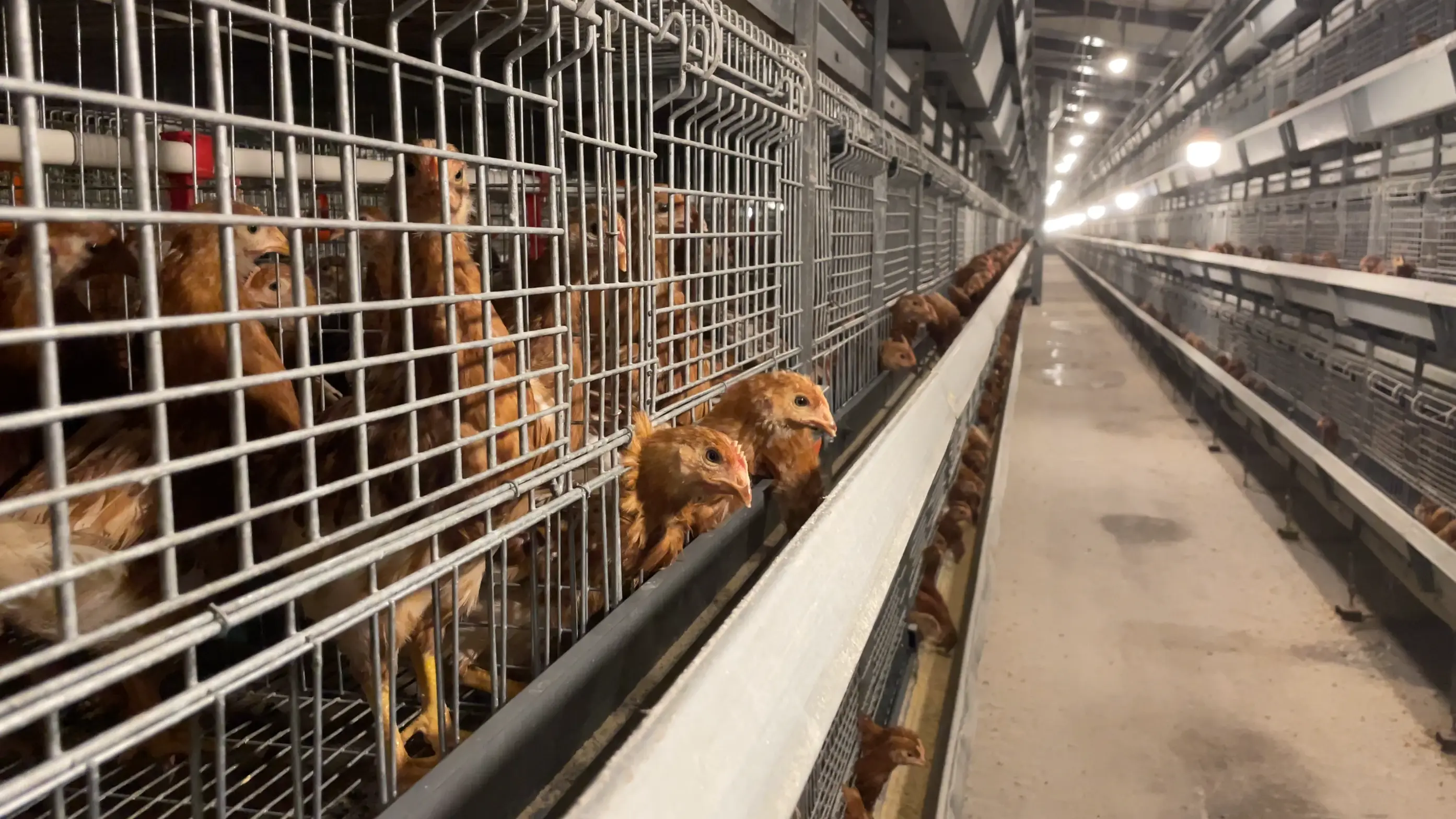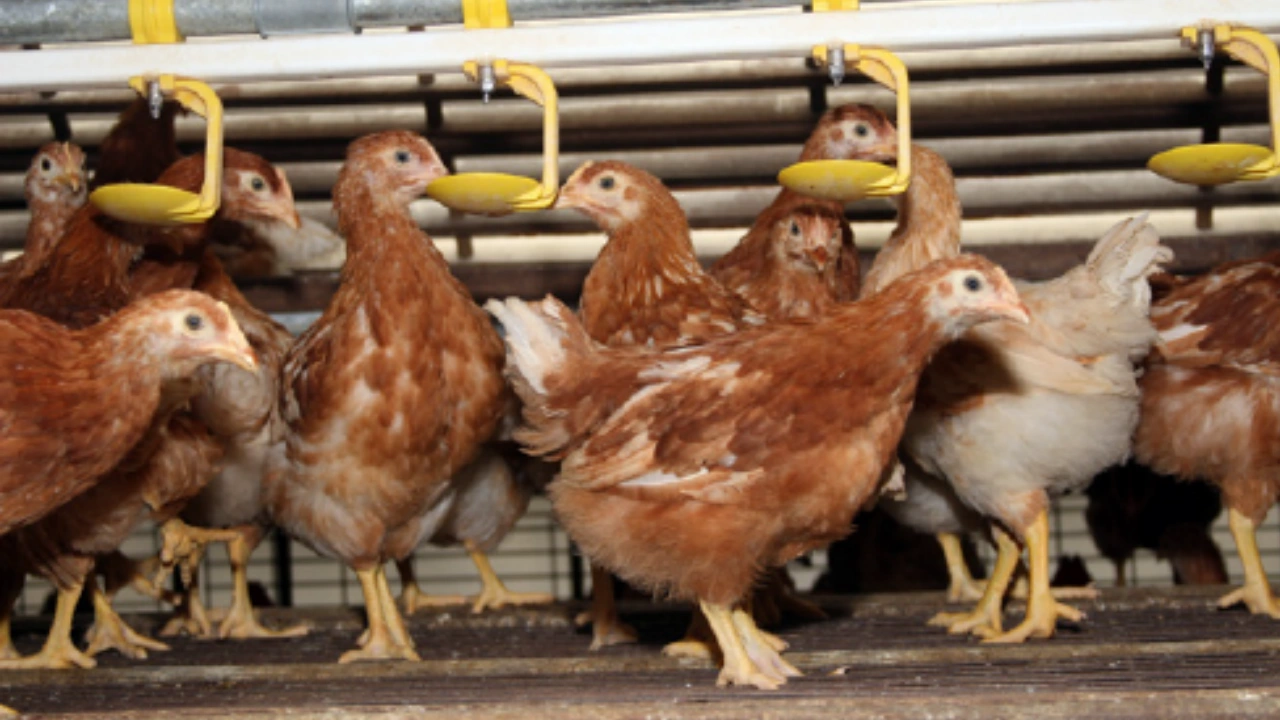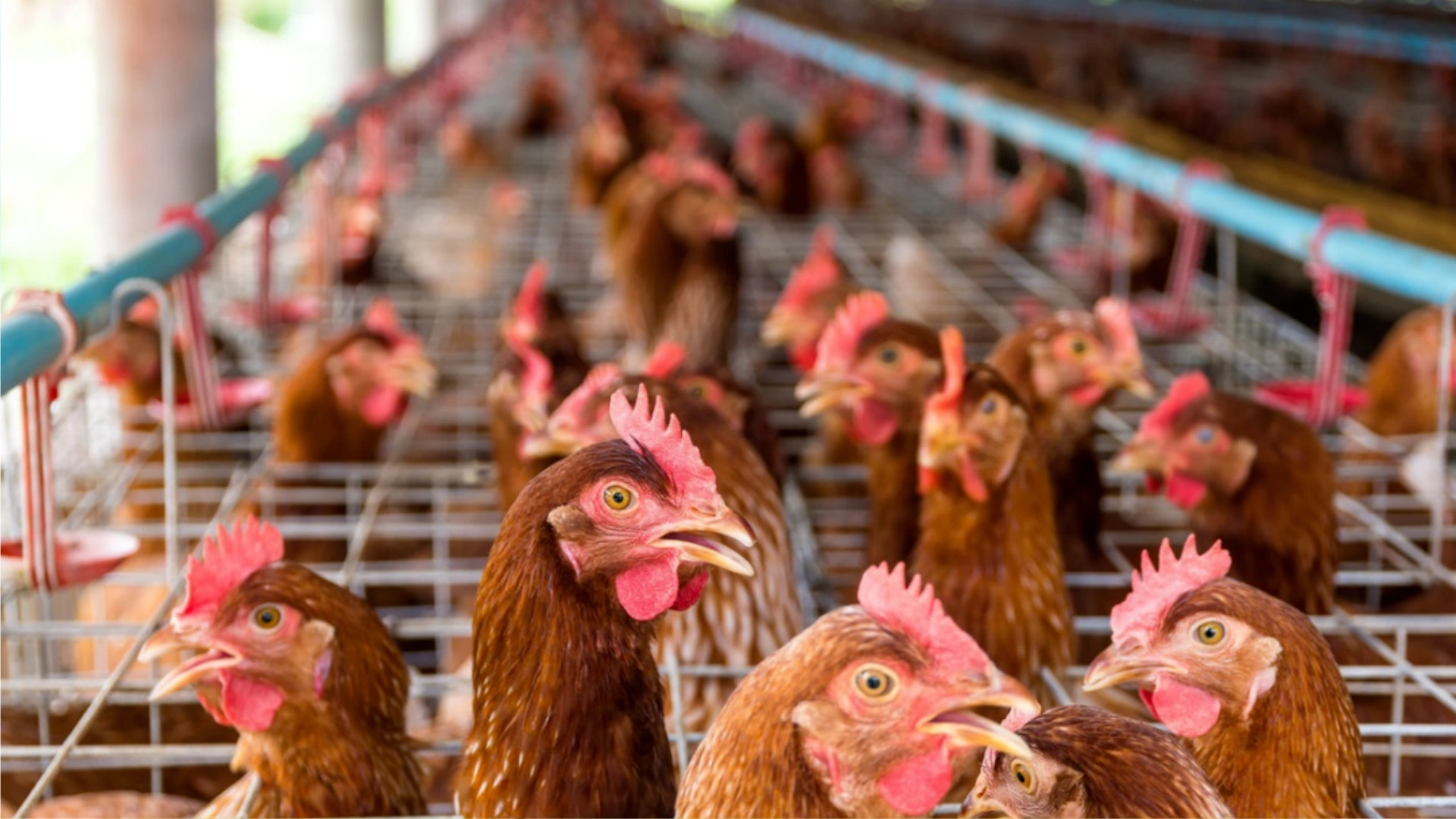

Layer hen farming drives the agricultural economy. Consequently, more farmers enter this industry every year. To achieve ideal economic benefits, farmers must fully unleash the hens’ genetic potential. Therefore, if you want to maximize laying rate, you must master five critical management areas during daily production.
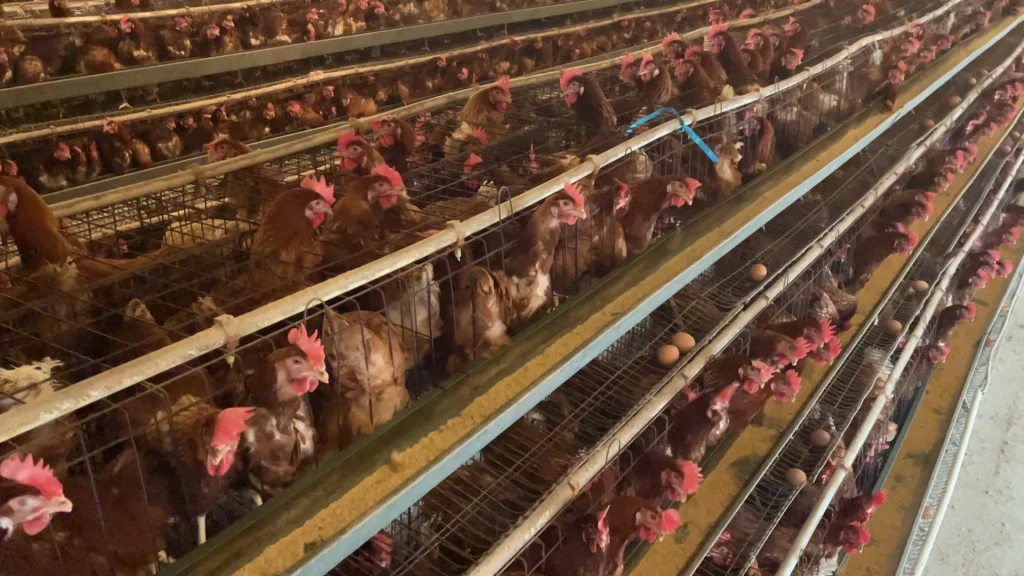
1. Improve Pullet Flock Uniformity
Flock uniformity clearly indicates successful pullet rearing. First, minimizing body size variations and ensuring uniform flock development synchronizes sexual maturity. As a result, this consistency guarantees a simultaneous onset of lay and a higher peak production period.
Furthermore, from the chick stage, you must implement meticulous scientific management regarding temperature, humidity, feed, stocking density, and immunization. Specifically, you should separate weaker chicks and provide them with enhanced nutrition. During the rearing phase, managers must cater to the needs of the majority to minimize individual differences. Therefore, you need an appropriate stocking density to maintain a healthy environment and provide sufficient feed and water space. In addition, grouping birds by body weight at the right time helps narrow the weight gap across the entire flock.
2. Meet Body Weight and Shank Length Standards
Body weight and shank length serve as crucial metrics for pullet development. Importantly, skeletal development directly impacts future egg weight and shell strength. Achieving the target average body weight and skeletal development simultaneously at the point of lay signals physical maturity.
Conversely, overweight or overly fat birds exhibit poor reproductive performance. Farmers measure skeletal development by shank length. If a bird meets the target weight but falls short in shank length, it carries excessive body fat. Consequently, this excess fat directly impairs egg production and shell quality. When adjusting diets, you must modify energy levels while still meeting baseline protein requirements. Therefore, you should regularly sample weight and shank length during rearing. This allows you to adjust management practices and ensure both metrics hit the standard simultaneously.
3. Control the Age of Sexual Maturity to Maximize Laying Rate
Both genetics and environment influence the onset of sexual maturity. Implementing a reasonable lighting program acts as the most critical measure for controlling this phase. Generally, layer hens become sensitive to light stimulation after 12 weeks of age.
Therefore, formulating a scientifically sound lighting program aligns physical maturity with sexual maturity. Ultimately, this alignment guarantees that the flock fully realizes its production potential.
4. Strengthen Management During the Laying Period
Once production begins, you must control the environment carefully:
- Optimal Temperature: The ideal temperature range for laying hens is 18–23°C. Extreme temperatures severely impact egg production and shell quality.
- Ventilation: Proper air exchange removes pollutants and regulates internal temperature and humidity. For instance, during seasons with drastic temperature changes, you should ventilate during warmer midday hours (11 AM to 2 PM), staggering the vents to prevent cold drafts.
- Lighting Program: Light stimulates the pituitary gland to secrete reproductive hormones. Moreover, during the laying period, you must gradually increase light duration (never decrease it), and you should not weaken the intensity. For more detailed guidelines on poultry lighting physiology, consult standard agricultural extension resources.
- Hygiene & Biosecurity: Maintain a clean environment. Specifically, you should regularly wash and disinfect waterlines, feed troughs, and equipment to prevent disease outbreaks.
- Reduce Stress: Sudden environmental changes suppress appetite and lower egg output. Therefore, strict, consistent management routines for lighting, feeding, and water supply are essential to minimize stress responses.
5. Provide Comprehensive and Balanced Nutrition
To truly unlock high-yield potential, you must pair robust management and biosecurity with comprehensive, balanced dietary nutrition.
Specifically, Egdoo designed its 8 innovative core technologies—including highly-enriched Fuli mineral®, highly efficient phosphorus sources, Lizhiqing®, Lizhisu®, Limeida®, Sudeli®, Fuli Vitamin®, and advanced Amino Acid Balance Technology—to boost flock immunity and reduce disease incidence. Ultimately, our solutions safeguard your flock for an efficient 700-day rearing cycle, ensuring your hens produce eggs that look beautiful and taste exceptional.
Discover how our tailored premix formulas can support your farm’s goals.