

In our previous article, we explained the tibia’s critical role in a laying hen’s life. Now, we must ask an important question. How do we ensure tibia development meets industry standards? We must control the environment and optimize our layer premix composition. Below, we break down the core elements.
The Three Pillars of Management
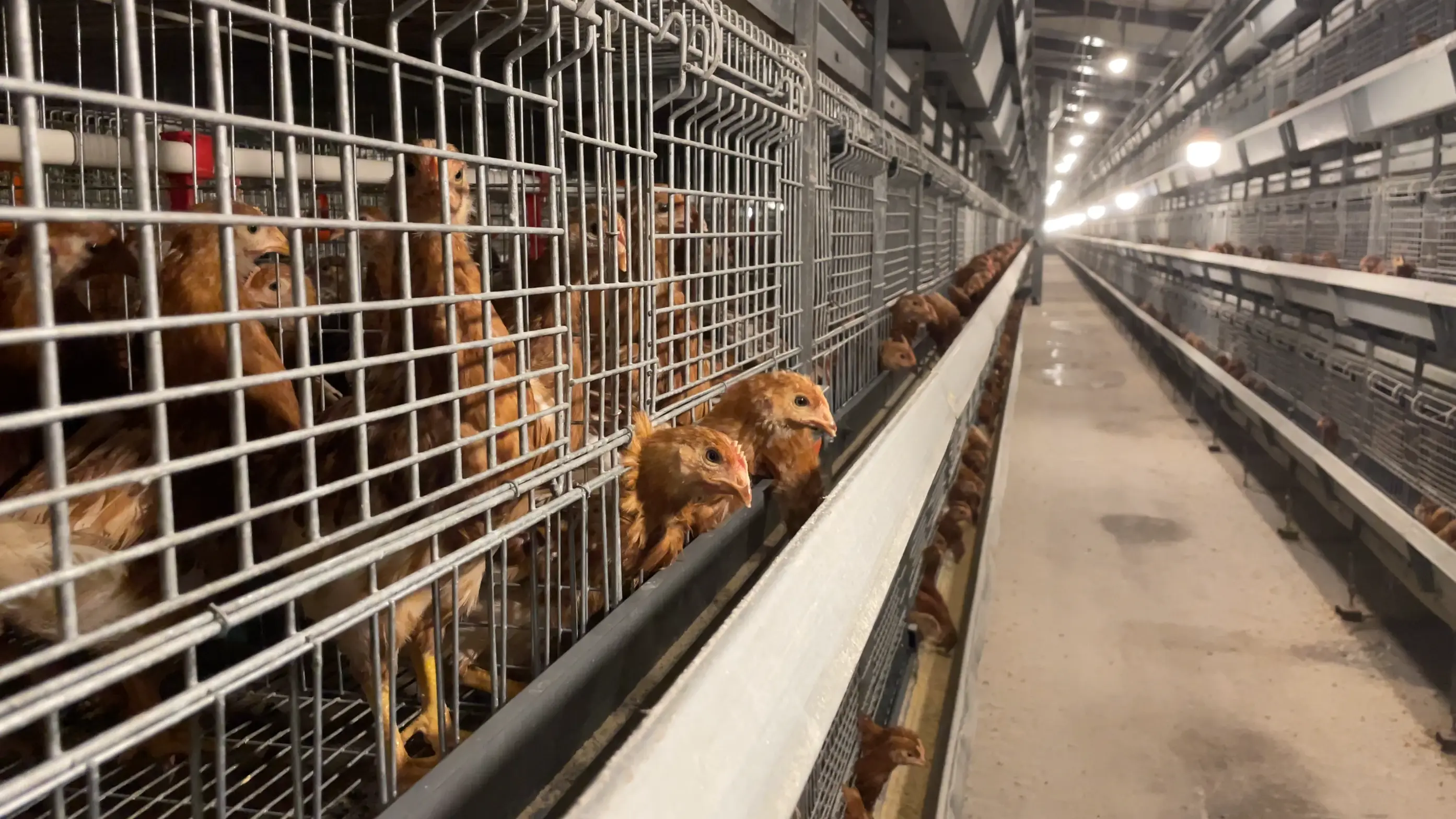
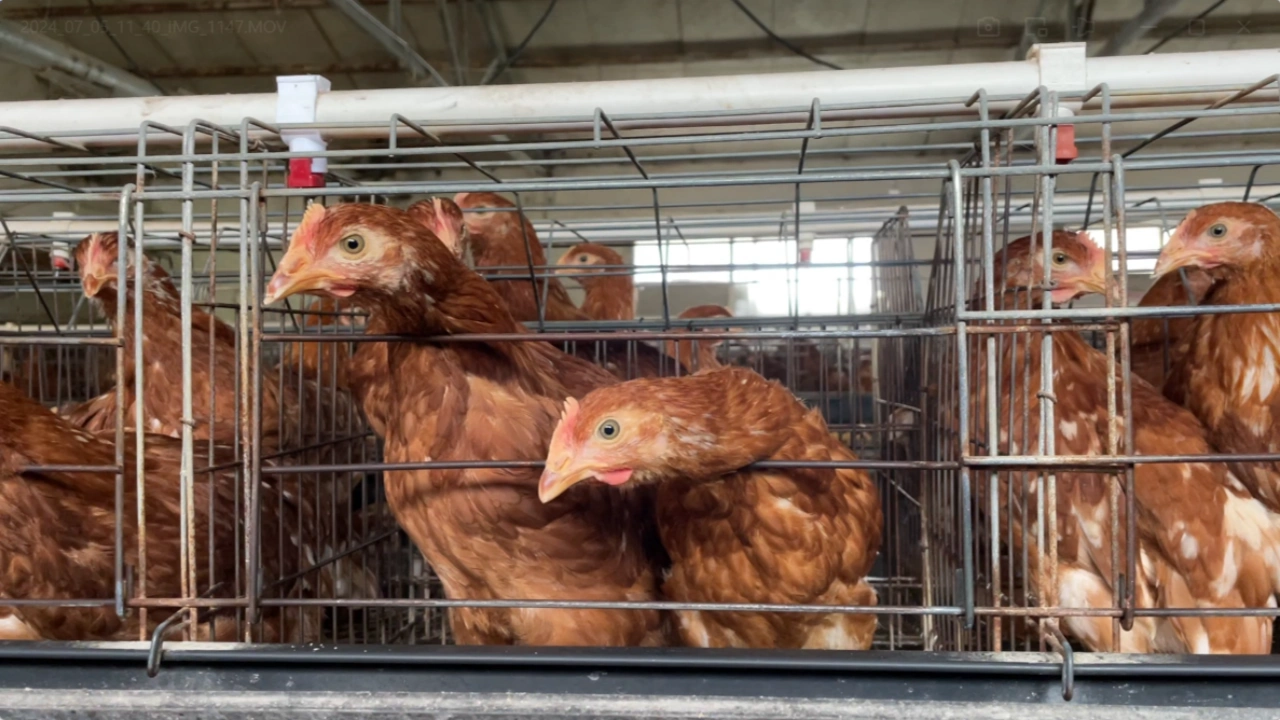
A. Stocking Density Density heavily influences tibia development. Experimental data reveals a clear trend. Higher stocking densities reduce tibia standard achievement rates. After 12 weeks, dense flocks show very slow tibia growth. They only grow 0.3–0.5 mm per week. Crucially, high density hurts the birds most before 60 days of age. If the tibia is too short before day 60, later nutritional adjustments will fail.
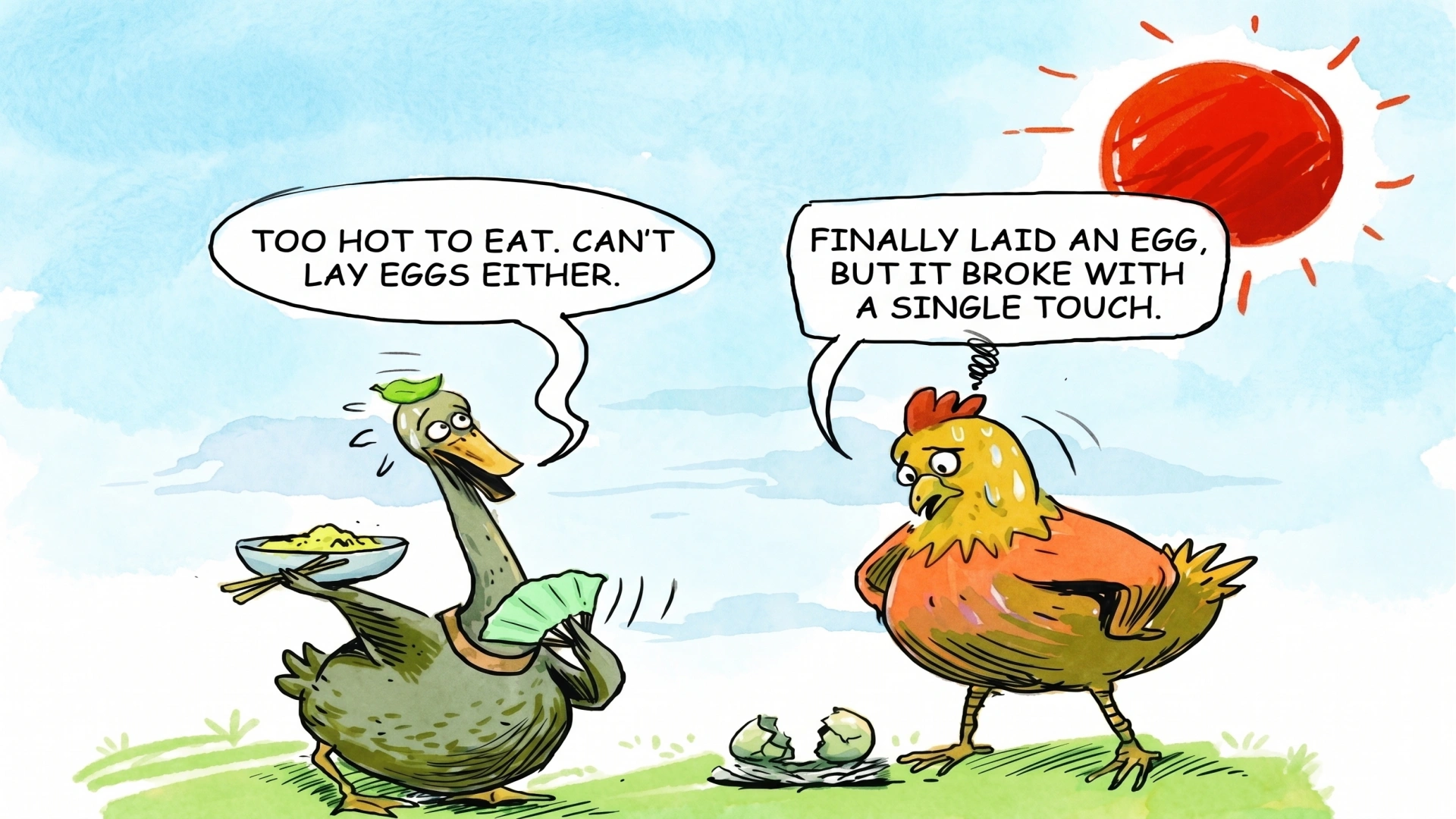
B. House Temperature Farmers often overlook temperature. We compared two poultry houses in a controlled trial. We kept one house 2–3°C lower than the other. The colder house exhibited a 10%–15% slower tibia growth rate. Under cold conditions, birds expend massive energy just to stay warm. They waste protein and vitamins instead of growing their skeletons. Therefore, you must maintain a comfortable ambient temperature before 12 weeks of age.
C. Body Weight Uniformity Flocks with high body weight uniformity also show exceptional tibia uniformity. This consistency lasts well into the 17th week. A well-developed skeleton creates a larger abdominal cavity. A larger liver enhances blood formation and immune function. Furthermore, heavier ovaries yield more follicles. This establishes a solid biological foundation for high production.
The Nutritional Engine
A. Precise Protein and Amino Acids Methionine and other amino acids boost immune function and tibia development. Studies examined layers eating a corn-soybean meal diet. The results showed that an amino acid level of 0.49% from 0 to 4 weeks optimizes growth. From 5 to 9 weeks, birds need a 0.42% level. You should never arbitrarily add bran just to cut raw material costs. Excessive bran lowers energy and protein density. The birds eat more, but tibia growth slows down.
B. Highly Digestible Minerals During the rearing period, the tibia grows rapidly. Therefore, the first 12 weeks require excellent calcium and phosphorus sources. Standard sources offer about 65% phosphorus absorption. However, highly digestible sources provide over 80% absorption. This significantly accelerates tibia development.
C. Optimal Vitamin Levels Vitamins act as biological catalysts. You must maintain adequate Vitamin D levels during tibia development. This is especially critical for smaller-framed layer breeds.
Actionable Solutions from Egdoo
1. Optimize Stocking Density: During the first three weeks, prioritize tibia development over body weight. Give the birds appropriate space according to cage design. They need room for free movement.
2. Select a Scientific Starter Feed: Poor-quality raw materials expose chicks to mycotoxins. This damages their developing immune organs. Furthermore, you should use low-temperature pelleting technology. This forces the gizzard to exercise its grinding functions. Egdoo uses ultra-low-temperature pelleting for our S001 Starter Feed. It features our proprietary Organic Mineral technology. This enhances trace element absorption and protects the chick’s intestinal tract. We also incorporate vitamins derived from natural plant raw materials. This boosts immunity early on, ensuring you hit both weight and tibia metrics.
3. Monitor Consistently: Measure tibia length regularly between weeks 3 and 6. If metrics fall behind, adjust the formula immediately. Ensure your layer premix composition includes highly digestible organic calcium or premium fish meal. This proactive approach keeps your flock on track for peak performance.