
5 Early Warning Signs in Laying Hen Health: Catch Them Early, Save Your Flock
In poultry farming, diseases rarely break out overnight. Instead, they evolve from a latent stage to clinical manifestation, often triggered by daily management oversights like poor ventilation, thermal stress, feed changes, or vaccination stress.
Many farmers only react when obvious symptoms appear—such as paralysis, severe coughing, a sudden drop in egg production, or mass mortality. Unfortunately, ignoring the subtle warning signs 3 to 7 days prior often means missing the optimal treatment window. Accurately capturing these details is the key to maintaining a stable and highly productive flock.
Here are the 5 early warning signs in laying hen health you need to monitor:
1. Mental State and Behavioral Changes
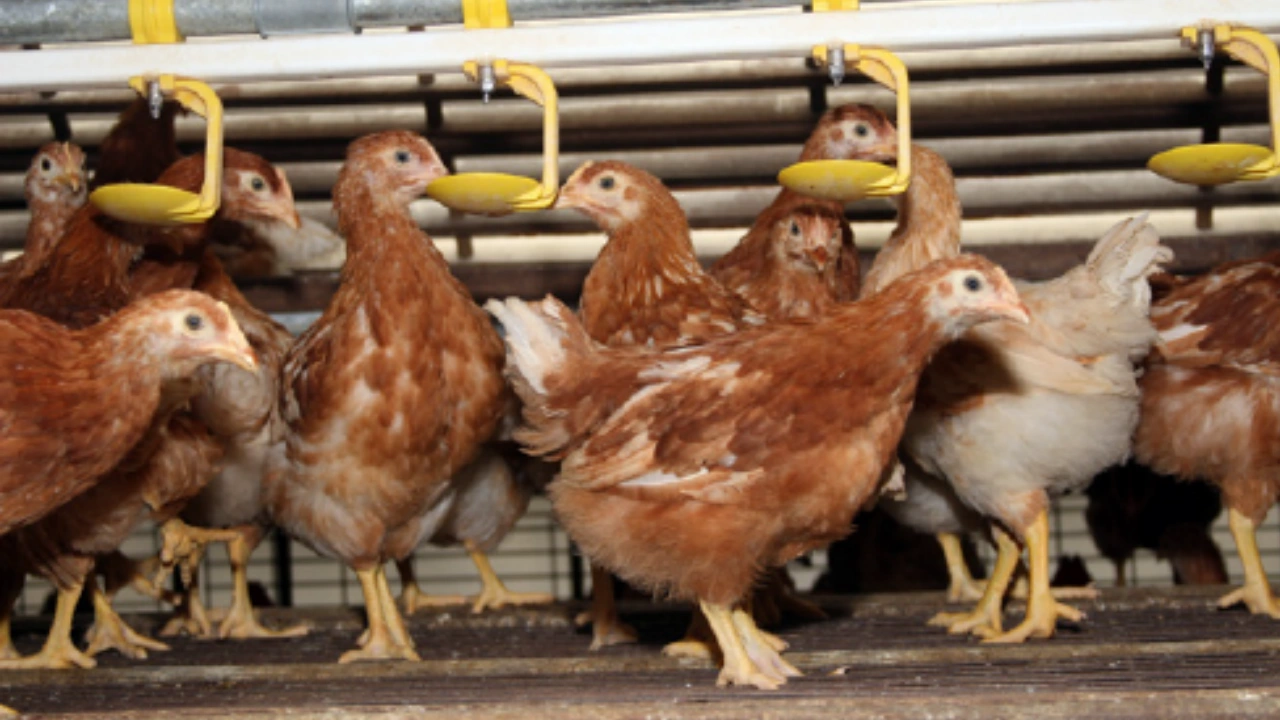
A healthy hen is energetic, responsive, has bright eyes and glossy feathers, and will actively approach caretakers. If you notice individual birds huddling, closing their eyes, drooping their wings, or standing still with ruffled feathers, it is a prime precursor to illness.
- Best Time to Check: Early morning when lights turn on, or at night when the flock is resting.
- What to Look For: Healthy birds will wake up and distribute evenly. Sick birds will remain lethargic, doze off, or tuck their heads under their wings. This invisible malaise is the earliest sign of viral or bacterial invasion. Isolate these weaker birds immediately to prevent a flock-wide outbreak.
2. Fluctuations in Feed and Water Intake
Changes in consumption are highly sensitive indicators of early disease. Healthy flocks eat aggressively and evenly. If you notice increased leftover feed or sluggish eating for consecutive days—without external factors like temperature drops or equipment failure—stay alert.
- Feed: A drop in feed intake of over 10% usually indicates the flock is in a sub-health state or the incubation period of a disease.
- Water: Sudden spikes in water consumption often accompany fever or the early stages of Infectious Bronchitis (IB). Conversely, a severe drop in water intake could indicate late-stage kidney damage or metabolic disorders.
3. Abnormal Feces Conditions
Droppings are the mirror of intestinal health. Normal feces are well-formed (cylindrical or clumpy), moderately moist, coated with white urates, and lack a pungent odor.
- Warning Signs: Yellow-green diarrhea, white watery stools, bloody droppings, or mucus-laced feces.
- Potential Causes: These can indicate enteritis, coccidiosis, Newcastle Disease (ND), or Salmonella. Abnormal droppings after a change in season or vaccination usually point to an imbalance in gut flora or damaged mucosal barriers.
4. Subtle Shifts in Egg Production Performance
Even minor abnormalities in egg production can directly impact your bottom line and should never be ignored.
- Indicators: A sudden drop in laying rates, pale shells, or an increase in soft/sand-shelled eggs often point to salpingitis, IB, or metabolic stress.
- Timing: A drop in the proportion of morning eggs may suggest endocrine disruption or stress. Additionally, lighter egg weights or pale yolks can result from nutritional deficiencies or compromised liver function.
5. Unusual Nighttime Respiratory Sounds
The period right after lights-out is the golden hour for detecting early respiratory diseases. During the day, the flock might eat and behave normally, masking the symptoms.
- Continuous soft rattling/snicking: Often points to a latent Mycoplasma infection.
- Frequent dry coughing or gasping: Highly suspicious for Infectious Laryngotracheitis (ILT).
- Wet rattling with isolated yellow/green diarrhea: Likely an early sign of Newcastle Disease or mild Avian Influenza.
- Action: Do not rush to use heavy medication. First, improve ventilation, reduce ammonia levels, and isolate the sick birds.
Prevention is Always Better Than Cure The core of layer farming is proactive management. Combining meticulous daily inspections with a scientific nutritional strategy is the ultimate guarantee for high yields.
Egdoo empowers your farm with 8 core nutritional technologies—including Organic Minerals, Efficient Phosphorus Sources, Lizhiqing-Detoxicare®, Lizhisu-Herbalvital®, Sudeli-Eggprime®, Limeida-Growmax®, Amino Acid Balancing Technology, and Planted Vitamins. We help you produce premium, highly marketable eggs while maximizing your full-cycle profitability.