
The pullet uniformity during the brooding and rearing stages is not just a reflection of your farm’s management level—it directly determines the future production performance of your laying hens. A uniform flock ensures consistent onset of lay, higher peak production, and easier daily management.
To achieve and maintain high pullet uniformity, farm managers must pay close attention to four critical aspects of poultry care.
1. Weekly Fixed-Point Weighing and Shank Measurement
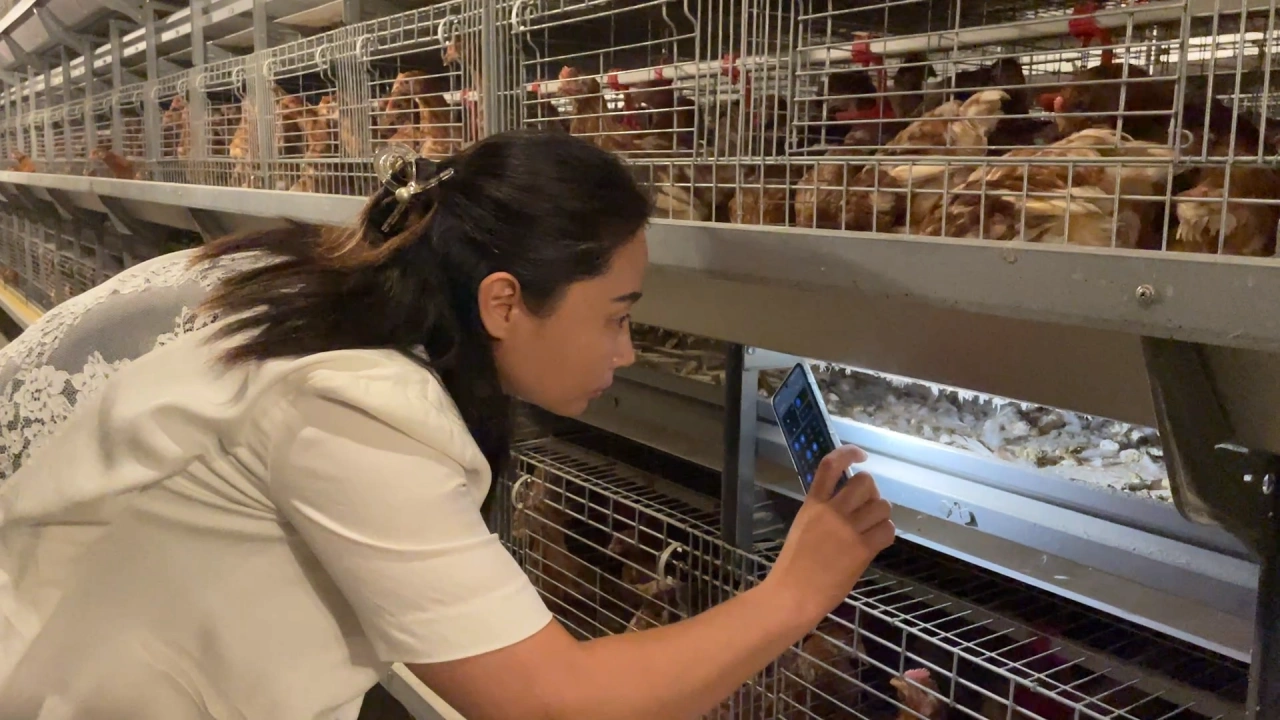
Weighing is the most effective way to evaluate the average body weight and uniformity of your flock. Breeders should ensure that pullets are weighed once a week.
- Best Practices: Conduct individual weighing on the same day each week on an empty stomach to ensure accuracy.
- Targeted Sampling: Select a specific group (e.g., a specific row and tier) and weigh every bird in that group.
- Data-Driven Adjustments: Compare the average weight to the standard breed weight and adjust feed allowances immediately. Additionally, measuring the shank length during this process helps verify that the skeletal development of the flock is on track.
2. Timely and Strategic Flock Adjustment
Based on your weekly weighing results, it is crucial to sort and manage the flock according to their size and physical condition.
- Cage Placement: Place heavier birds in the lower tiers of the cages and smaller birds in the upper tiers, where ventilation and temperature conditions are optimal.
- Feed Management: For overgrown birds, slightly reduce the weekly feed increment or maintain the current volume. For underweight birds, slightly increase the feed increment. This targeted feeding strategy effectively improves overall pullet uniformity. (Note: Never reduce the total absolute feed volume during the rearing period.)
3. Controlling Stocking Density
Stocking density directly impacts flock uniformity. Overcrowding restricts movement and triggers fierce competition among the birds. This leads to uneven access to feed and water, causing some pullets to grow much slower than others. Farm managers must reasonably control stocking density to prevent unnecessary losses. Ensure that feed is distributed evenly in the troughs and strictly manage daily routines, including vaccinations and feed raw material quality control.
4. The Egdoo Solution: Premium Nutrition for Pullets
The pullet stage is a critical period for flock development, requiring abundant and precise nutrition. This is where Egdoo steps in to solve the core challenges of pullet uniformity.
Since its establishment in 2011, Egdoo has been exclusively dedicated to layer nutrition. By integrating traditional Chinese medicine theories with advanced nutritional science—specifically focusing on reproduction and body conditioning—Egdoo has developed a new generation of health-promoting premixes for layers.
Our specialized product lines, including the E Series, EA Series, M Series, and the dedicated chick starter feed Meiqin S001, provide precise nutrition for every stage of development. Validated by numerous large-scale farms, Egdoo’s solutions offer significant advantages in optimizing body weight, shank length, intestinal health, and immune system strength, ultimately guaranteeing superior pullet uniformity for your operation.