
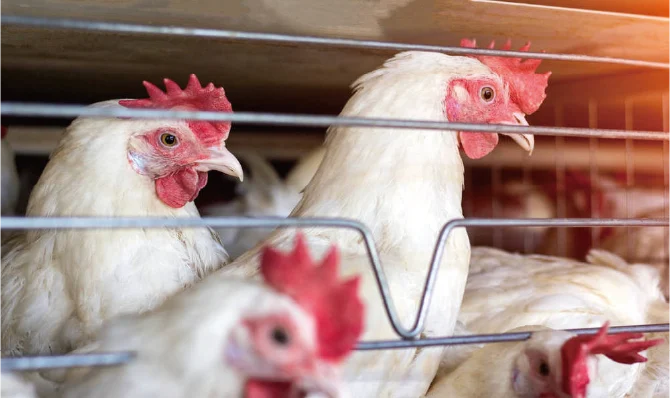
“White-Egg” breeds, like Hy-Line W-36, W-80, and Jingbai, produce high yields. However, they require precise management to avoid common pitfalls. Farmers frequently struggle with prolapse, high culling rates, and low egg weight. Below, we provide targeted solutions for these three challenges. We emphasize using a specialized layer premix for chicken.
I. Core Solutions for Prolapse (Vent Picking)
1. Secure Early Skeletal Development You must develop the skeleton before 12 weeks of age. Feed the chicks an elite starter feed. It should contain at least 20% crude protein and balanced amino acids. The energy levels must not fall below 2,900 kcal/kg. Furthermore, use low-temperature pelleted feed. This ensures proper proventriculus and gizzard development.
Next, make data-driven adjustments. Weigh the birds at 63 days. If they reach target weight but have short tibias, continue the starter feed for 1–2 extra weeks. You should also supplement with specialized additives. If both metrics lag, maintain the starter feed until 12 weeks.
2. Improve Gut Capacity Ensure the intestinal tract develops fully before the onset of lay. Include at least 8% wheat bran in the diet. This expands gut capacity and promotes beneficial microflora. If feed intake drops below standard, use appetite-stimulating agents. Manage feed distribution carefully to maintain a strong feeding drive.
3. Optimize Lighting First, delay light stimulation. Wait until the birds reach 1.25 kg (2.5 catties). If you stimulate smaller birds, they produce small eggs and suffer high prolapse rates. Second, assess the primary wing feathers. If fewer than two have molted, delay light stimulation by one week. Third, follow breed-specific frequencies. For Jingbai, add 1 hour weekly starting at 19 weeks. For Hy-Line 80/36, start at 18 weeks. Ensure all pullets get 12 hours of light before the initial ramp-up.
II. Core Solutions for Low Egg Weight
1. Increase Initial Body Weight: Aim for an onset-of-lay weight 5%–10% above the standard. Heavier hens produce larger yolks. A larger yolk directly increases egg size.
2. Maintain Positive Growth: Ensure body weight increases continuously from onset to 30 weeks. If weight stagnates at this stage, the peak production drops prematurely. If feed intake drops by more than 3g per day, intervene immediately.
3. Optimize Nutritional Density: For white breeds, a 5.5% premix inclusion rate works best. It ensures high amino acid and vitamin intake, even when birds eat less. White breeds need high energy levels, specifically above 2,800 kcal/kg. You should include 1% oil or fat in the formula to meet these demands.
III. Core Solutions for Poor Eggshell Quality
1. Provide Adequate Calcium: After 400 days, white-egg breeds need specific calcium sizes. Large-particle calcium (2–5 mm) should make up at least 75% of the total calcium source. Fine particles should make up the remaining 25%. Larger particles stay in the gizzard longer. This improves calcium absorption.
2. Mitigate Mycotoxin Impact: White breeds react strongly to mycotoxins. They are much more sensitive than brown or tinted breeds. Mycotoxins cause chronic enteritis, nutrient malabsorption, and severe liver damage. This liver damage stops the bird from absorbing calcium. Ultimately, mycotoxins destroy egg quality.
You must manage early skeletal development, optimize lighting, and control mycotoxins. A high-density layer premix for chicken ties these efforts together. These steps maximize the genetic potential of white-egg layers and secure your profitability.